Language: EN | 简中



Recordly is an open-source screen recorder and editor for creating polished walkthroughs, demos, tutorials, and product videos. Contribution encouraged.

Note
Huge thank you to tadees for supporting! This donation directly helps cover the Apple Developer fees to get Recordly signed and notarised for macOS. Still waiting for Apple approval. Support the project
Recordly originally started as a fork of OpenScreen, and is expanded to include a full cursor animation/rendering pipeline, native macOS and Windows screen recording workflow, an animated webcam overlay bubble system, zoom animations faithful to Screen Studio, cursor loops, audio tracks, and more major features.
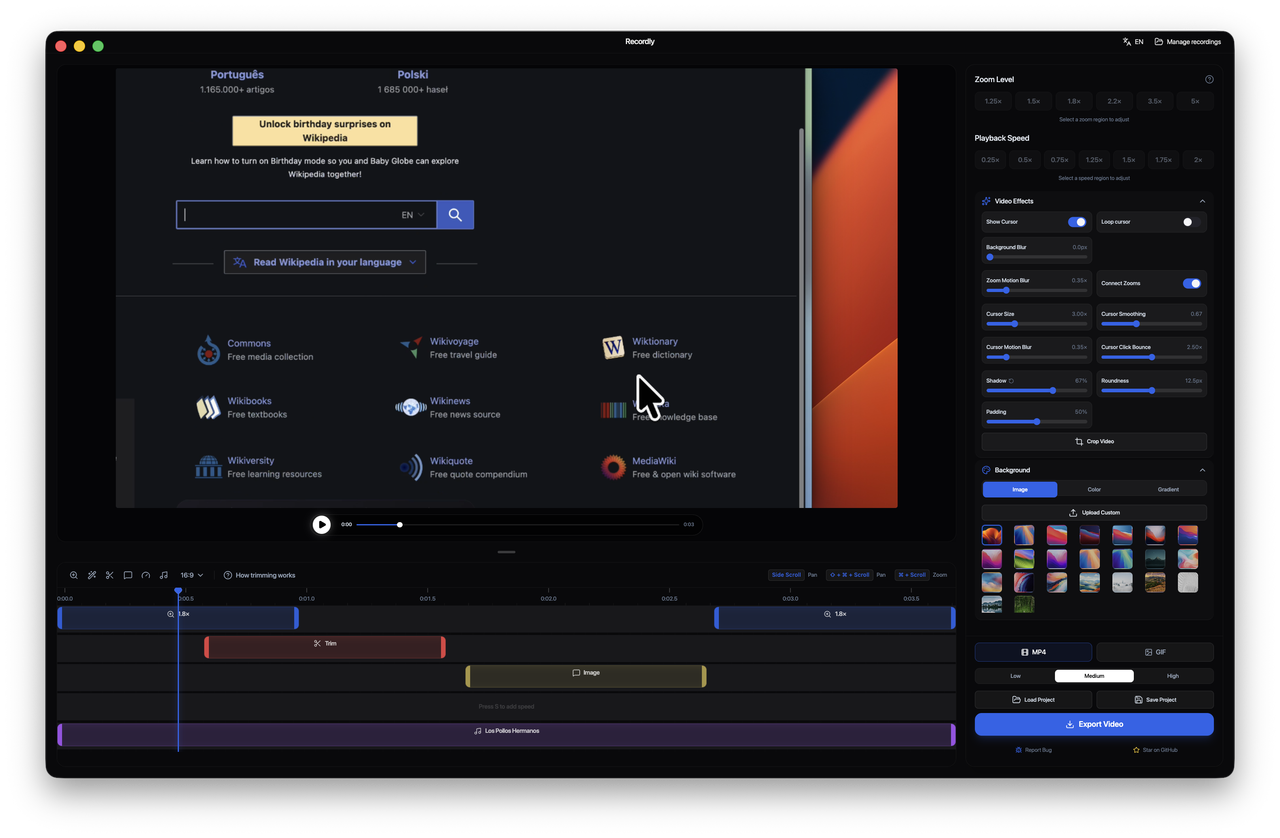
Recordly lets you record your screen and automatically transform it into a polished video. It handles the heavy lifting of zooming into important actions and smoothing out jittery cursor movement so your demos look professional by default.
Recordly runs on:
- macOS 12.3+
- Windows 10 Build 19041+
- Linux (modern distros)
On Windows, builds older than 19041 fall back to Electron capture and the cursor cannot be hidden. On Linux, cursor hiding is not supported (contribute).

- Adjustable cursor size
- Cursor smoothing
- Motion blur
- Click bounce animation
- macOS-style cursor assets
- Cursor sway effects
- Record an entire screen or a single window
- Jump straight from recording into the editor
- Microphone or system audio recording
- Chromium capture APIs on Windows/Linux
- Native ScreenCaptureKit capture on macOS
- native DXGI Desktop Duplication recording helper for display and app-window capture on Windows, native WASAPI for system/mic audio, and more
- Apple-style zoom animations
- Automatic zoom suggestions based on cursor activity
- Manual zoom regions
- Smooth pan transitions between zoom regions

- Toggle to make cursor return to original position at end of video/GIF for clean loops
- Timeline trimming
- Speed-up / slow-down regions
- Annotations
- Zoom spans
- Project save + reopen (
.recordlyfiles)
- Wallpapers
- Gradients
- Solid fills
- Padding
- Rounded corners
- Blur
- Drop shadows
- MP4 video export
- GIF export
- Aspect ratio controls
- Quality settings
Prebuilt releases are available here:
https://github.com/webadderall/Recordly/releases
git clone https://github.com/webadderall/Recordly.git recordly
cd recordly
npm install
npm run devRecordly is not signed. macOS may quarantine locally built apps.
Remove the quarantine flag with:
xattr -rd com.apple.quarantine /Applications/Recordly.app| Platform | Minimum version | Notes |
|---|---|---|
| macOS | macOS 12.3 (Monterey) | Required for ScreenCaptureKit. Recording and cursor hiding will not work on older versions. |
| Windows | Windows 10 20H1 (Build 19041, May 2020) | Required for the native DXGI Desktop Duplication helper. Older builds fall back to Electron browser capture — cursor will be visible in recordings. |
| Linux | Any modern distro | Recording works via Electron capture. Cursor is always visible in recordings. System audio requires PipeWire (Ubuntu 22.04+, Fedora 34+). |
Important
On Windows, if your build is older than 19041, recording will still work but the cursor cannot be hidden from the captured video.
- Launch Recordly
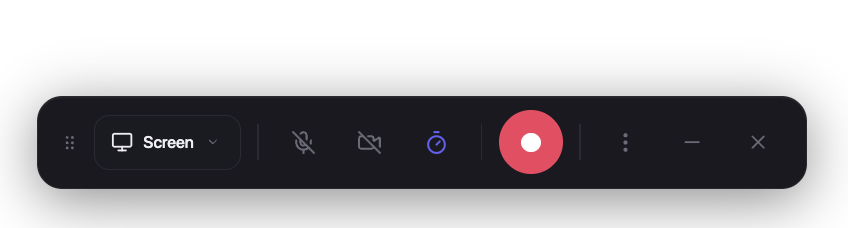
- Select a screen or window
- Choose audio recording options
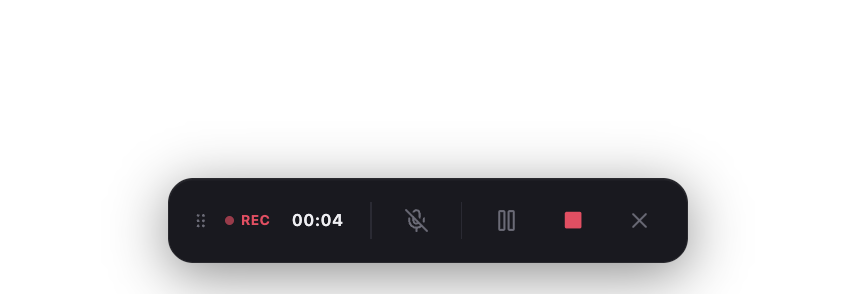
- Start recording
- Stop recording to open the editor
Inside the editor you can:
- Add zoom regions manually
- Use automatic zoom suggestions
- Adjust cursor behavior
- Trim the video
- Add speed changes
- Add annotations
- Style the frame
Save your work anytime as a .recordly project.
Export options include:
- MP4 for full-quality video
- GIF for lightweight sharing
Adjust:
- Aspect ratio
- Output resolution
- Quality settings
Cursor Capture (We overlay a second animated cursor over the original hidden one)
macOS: Cursor is excluded from the recording at the ScreenCaptureKit level — always clean.
Windows: Cursor exclusion depends on the native DXGI Desktop Duplication helper plus OS cursor hide/show, and requires Windows 10 Build 19041+. On older builds the app falls back to Electron’s browser capture and the real cursor will be visible in the recording.
Linux: Electron’s desktop capture API does not support cursor hiding. The real OS cursor will always be visible in recordings. If you also enable the animated cursor overlay in the editor, you may see two cursors in the output.
Improving cross-platform cursor capture is an area where contributions are welcome.
System audio capture depends on platform support.
Windows
- Works out of the box via native WASAPI
- Requires Windows 10 Build 19041+
Linux
- Requires PipeWire (Ubuntu 22.04+, Fedora 34+)
- Older PulseAudio setups may not support system audio
macOS
- Requires macOS 12.3+
- Uses ScreenCaptureKit helper
Recordly is a desktop video editor with a renderer-driven motion pipeline and platform-specific capture layer.
Capture
- Electron orchestrates recording
- macOS uses native helpers for ScreenCaptureKit and cursor telemetry
- Windows uses a native DXGI Desktop Duplication helper for screen capture
Motion
- Zoom regions
- Cursor tracking
- Speed changes
- Timeline edits
Rendering
- Scene composition handled by PixiJS
Export
- Frames rendered through the same scene pipeline
- Encoded to MP4 or GIF
Projects
.recordlyfiles store the source video path and editor state
All contributors welcomed!
Areas where help is especially valuable:
- Smooth cursor pipeline for Linux
- Webcam overlay bubble
- Localisation support, especially Chinese
- UI/UX design improvements
- Export speed improvements
Please:
- Keep pull requests focused and modular
- Test playback, editing, and export flows
- Avoid large unrelated refactors
See CONTRIBUTING.md for guidelines.
Bug reports and feature requests:
https://github.com/webadderall/Recordly/issues
Pull requests are welcome.
Greatful for all supporters, you are helping Recordly stay open-source and supporting development.
• Tadees ($100) • Anonymous supporter ($5) • Anonymous supporter ($1)
Email youngchen3442@gmail.com for other inquiries or DM me via @webadderall
Recordly is licensed under the MIT License.
Originally built on top of the excellent OpenScreen project.
Created by
@webadderall


